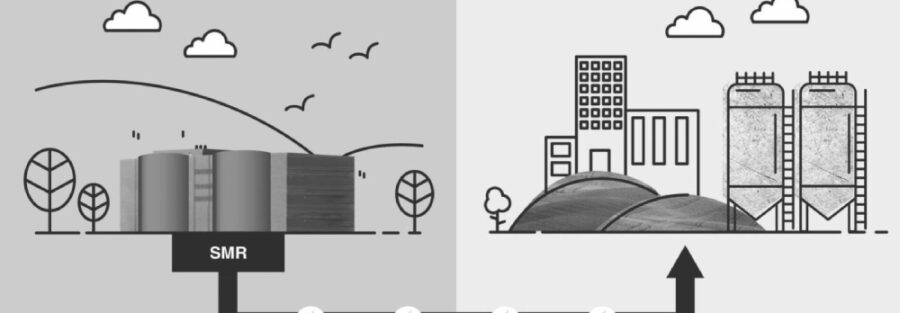
#Technology ‐ Development and adoption of appropriate Technology suited to India. Post sanctions, India can now adopt, tie-up, co-develop Technology. Several SMR Technologies are in development or in operation across the world like Light water reactors (LWRs), High-temperature gas-cooled reactors (HTGRs), Molten salt reactors (MSRs), Sodium-cooled fast reactors (SFRs). Regulation – Atomic Energy Regulatory Board (AERB) is India’s nuclear regulatory authority and responsible for all nuclear and radiation-related activities in the country. Licensing and Approval Process – A clear and streamlined licensing and approval process specific to SMRs, including procedures for site selection, design approval, construction, commissioning, operation, and decommissioning of SMRs.#Safety and #Security Regulations – Stringent, and adequate safety and security regulations to ensure the safe operation of SMRs, including reactor design, emergency response, radiation protection, and physical security. #Environmental Impact Assessment – Regulations requiring comprehensive environmental impact assessments (EIAs) for SMR projects. Fuel Management – Management of nuclear fuel, including procurement, handling, storage, and disposal with respect to unique aspects of SMR fuel cycles. Waste Management – Handling, storage, and disposal of radioactive waste generated by SMRs. #Emergency #Response and Preparedness – Emergency response plans, including communication, evacuation, and coordination with local authorities. Periodic Reviews and #Inspections – Regular reviews and inspections by the regulatory authority to ensure compliance with safety and security regulations. Liability and Insurance – Establishing liability and insurance frameworks is essential to address potential accidents and their consequences.