
The Nature of Luck in Gambling
Luck is often viewed as the unpredictable element that can lead to unforeseen wins or losses in gambling. This randomness is a fundamental aspect of the casino experience, enticing players with the allure of chance. In contrast to games that may rely heavily on skill, such as poker or blackjack, many casino games are predominantly influenced by luck. For instance, in slot machines, the alignment of symbols is entirely dependent on the luck of the spin, and players looking for excitement might prefer a fast withdrawal casino australia where this element of chance can lead to massive jackpots that captivate their imaginations and hopes.
Furthermore, the concept of luck extends beyond just the immediate outcomes of games. It fosters an atmosphere of excitement and anticipation among players, creating an emotional connection to the gambling experience. When players perceive themselves as being lucky, they are more inclined to continue playing, often resulting in longer gambling sessions. This psychological aspect of luck not only enhances the overall experience but also keeps players engaged, as they chase that feeling of euphoria that comes with a fortunate turn of events.
Additionally, luck can significantly influence a player’s perception of success in casinos. A streak of wins might lead a player to believe that their skills are the driving force behind their success. However, this perception can be misleading, as luck can swing dramatically, resulting in unexpected losses. The dual nature of luck—where it can elevate spirits but also lead to disappointment—underscores the intricate relationship between chance and the gambling experience, making it essential for players to navigate their emotions carefully.
The Psychological Impact of Luck
The psychological effects of luck in a casino setting are profound and multifaceted. When players attribute their wins to good luck, they often overlook the inherent risks associated with gambling. This belief in luck can create a false sense of control, with players feeling that their fortunes can shift with a single roll of the dice or a pull of a lever. This mindset encourages continuous play, as players chase the adrenaline high of previous successes, which can lead to extended gambling sessions that may not always be in their best interest.
Moreover, the “near-miss” phenomenon significantly influences how players perceive luck and their chances of winning. When players come close to hitting a jackpot but narrowly miss, they often interpret this as a positive sign. This psychological effect can perpetuate the belief that a win is imminent, leading players to invest more time and money into their games, despite the underlying odds not changing. Such dynamics illustrate how luck shapes not only the outcomes of games but also the behavior of players, fostering a cycle of hopeful anticipation that may not always be rational.
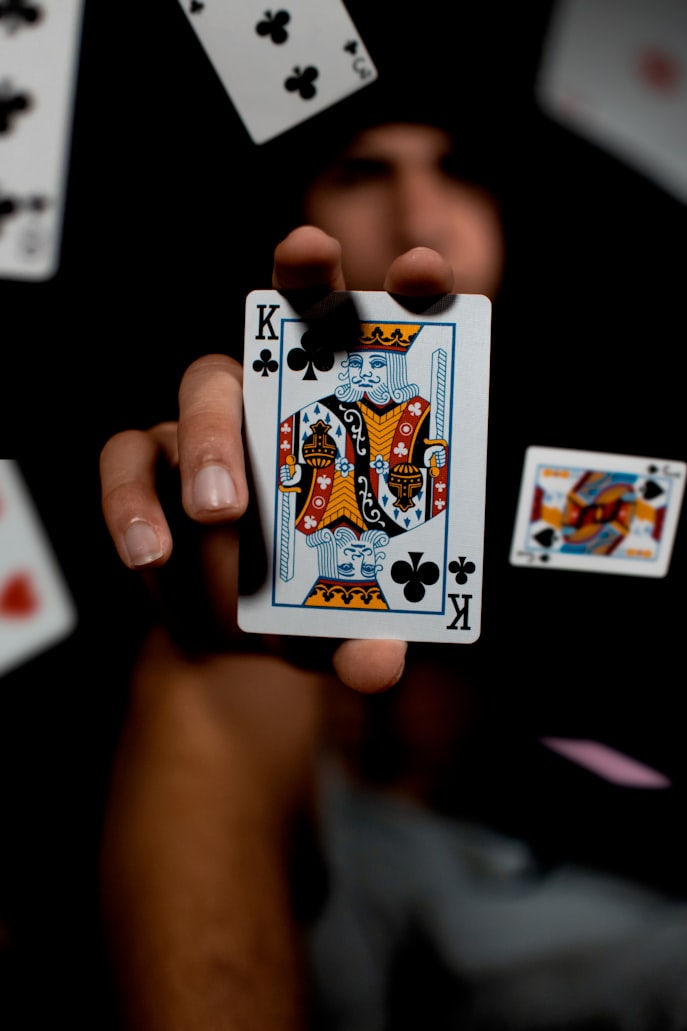
The psychological dependence on luck can also lead to problematic gambling behaviors. Some individuals may believe they are “due” for a win after experiencing a streak of losses, which can fuel a cycle of riskier bets. As luck becomes perceived as the deciding factor in gambling success, the line between responsible gambling and compulsion can blur. Understanding the psychological impact of luck is essential for both players and casino operators, as it can help foster a healthier gaming environment that promotes awareness and responsible behaviors.
The Role of Luck in Casino Games
Different types of casino games showcase varying degrees of luck involved in their outcomes. For instance, games like roulette and slot machines are predominantly based on luck, requiring no skill or strategy from the players. In these games, outcomes hinge entirely on chance, with players watching the results unfold without any control over the process. This unpredictability is central to the allure of such games, creating a thrill each time the wheel spins or the reels align, as the potential for a lucky outcome can lead to life-changing wins.
On the other hand, games such as poker incorporate both skill and luck. While players can employ strategies, read opponents, and calculate odds, the randomness of the card flips introduces an undeniable element of chance that can influence the outcome of specific hands. In poker, players often attribute their success to their strategic decisions and interpersonal skills, yet the role of luck remains a critical factor that can turn the tables at any moment. This blend of skill and chance complicates how players perceive their own success and fosters a deeper understanding of the gambling experience.
Additionally, the gambling industry has evolved over time to enhance the luck factor through various mechanisms such as jackpots and bonuses. Progressive jackpots, for example, grow in size with each spin, creating an aura of excitement and hope for a lucky strike. These features are designed to engage players and amplify the allure of luck in every session, ensuring that they remain invested in the experience. Such strategies not only maintain player engagement but also underscore the integral role that luck plays in their potential success at the tables, highlighting the fascinating interplay between chance and player decisions.
The Impact of Luck on Gambling Strategies
While many players believe they can develop strategies to mitigate the randomness of luck, it is essential to acknowledge that luck will always be a dominant factor in gambling. Some players resort to betting systems, hoping to leverage mathematical models to tilt the odds in their favor. However, these systems often fail to account for the unpredictable nature of luck. For example, a player might anticipate a winning streak based on previous outcomes, but the next spin could just as easily result in a loss, reinforcing the idea that luck remains the ultimate decider in gambling outcomes.

The distinction between skill-based games and luck-based games becomes evident as players attempt to implement strategies. In luck-driven games, players can quickly become disheartened when they realize that no amount of planning can significantly alter the outcome. This realization is crucial for players to understand, as relying on perceived strategies can lead to frustration when luck does not align with their expectations. Educating players on the role of luck can help set realistic expectations and encourage responsible gaming practices, allowing for a more balanced approach to gambling.
Ultimately, while players may try to implement strategies based on prior experiences, they must recognize that luck will dictate their success in the casino environment. Acknowledging this truth can lead to a more enjoyable gambling experience, fostering a mindset that embraces the unpredictability of chance while mitigating the risk of overconfidence or despair based on the outcomes of individual games. Understanding luck can transform how players approach their gaming sessions, making them more mindful and aware of the inherent risks involved.
Explore More About Luck and Casinos
Understanding the role of luck in casino success can significantly enhance both player experiences and operator strategies. By recognizing how luck influences not only game outcomes but also player psychology and behavior, both sides can engage in a more fulfilling gambling experience. This insight allows players to enjoy the chance aspects of gambling while remaining conscious of the inherent risks involved, ultimately leading to a healthier relationship with gaming.
Furthermore, casino operators can leverage this knowledge to create environments that promote responsible gambling. By providing players with information about the nature of luck and offering resources for those who may develop unhealthy gambling habits, operators can cultivate a safer gaming atmosphere. This proactive approach not only benefits individual players but also enhances the reputation of the gambling industry as a whole, creating a framework where responsible gaming is prioritized.
As the world of casinos continues to evolve, the intricate relationship between luck and success remains steadfast. By exploring this dynamic thoroughly, players can enjoy their gaming experiences while gaining a deeper understanding of the role that chance plays in their ventures. Ultimately, appreciating the nuances of luck can foster a more enjoyable and responsible approach to gambling, ensuring that the thrill of the game remains a source of entertainment rather than a path to regret.